Article: How to Choose the Right Quilt for Every Season in Australia
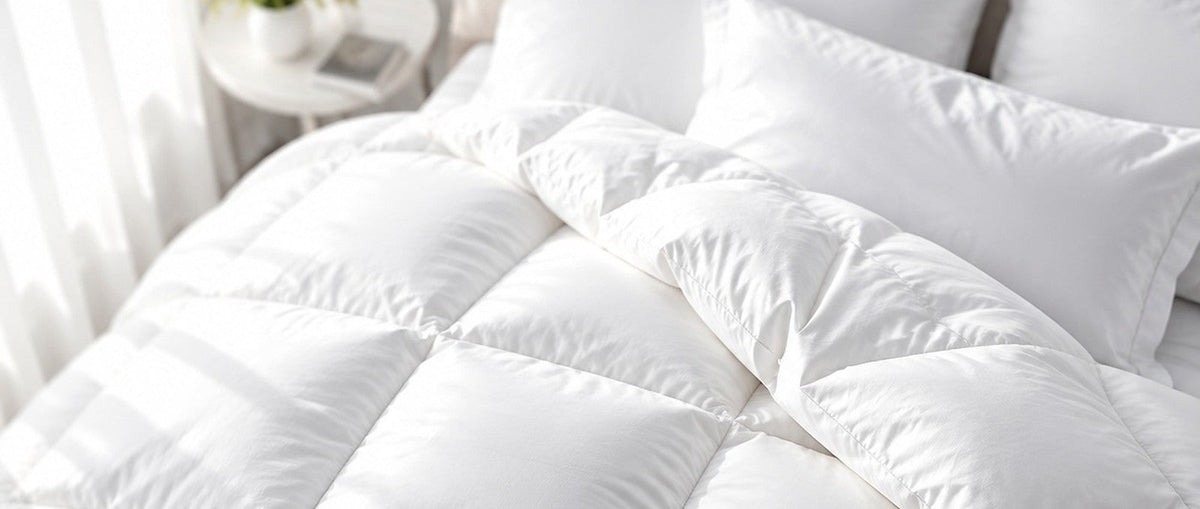
How to Choose the Right Quilt for Every Season in Australia
Choosing the right quilt can make a real difference to how comfortable you feel at bedtime. Too light, and you might wake up cold during winter. Too warm, and getting a good night’s sleep can become uncomfortable during summer.
With Australia’s changing seasons, finding the right quilt comes down to more than just its thickness. You’ll also want to consider the filling, warmth, your bedroom temperature and whether you tend to sleep hot or cold.
Whether you’re shopping for a lightweight summer quilt, a warm winter quilt or a versatile all-seasons option, this guide will help you find the right fit for your home.
What to Consider When Choosing a Quilt
Before choosing a quilt, consider three important factors.
1. Warmth and filling weight
GSM stands for grams per square metre. It measures the weight of the quilt’s filling and can help you compare different options. However, a higher GSM does not automatically mean a quilt will feel warmer, as the filling material and construction also affect its insulation.
2. Quilt filling
Different fillings offer different sleeping experiences. Wool quilts are popular for their natural insulation and ability to help manage moisture. Microfibre quilts can provide a soft, lightweight feel, while other fillings may suit different preferences and care requirements.
Always check the product description to understand the filling, cover material and care instructions.
3. Your bedroom and sleeping habits
Think about whether your bedroom stays warm or becomes chilly overnight. If you tend to feel hot while sleeping, a lighter quilt may suit you better. If you often feel cold, you may prefer a warmer option.
Summer: Choose a Lightweight Quilt

Australian summers can bring warm nights, especially in bedrooms that retain heat. A lightweight summer quilt can provide a comfortable layer without feeling unnecessarily heavy.
Look for a quilt designed for warmer conditions, paying attention to its filling, construction and stated warmth level. Some lightweight quilts have lower GSM ratings, but GSM alone should not determine your choice.
A summer quilt may suit you if you:
- Tend to sleep hot.
- Have a warm or poorly ventilated bedroom.
- Prefer a lighter layer over heavier bedding.
Breathable sheets and appropriate room ventilation can also help create a more comfortable sleeping environment.
Autumn: Find a Comfortable Middle Ground

As temperatures begin to cool, you may want more warmth than a summer quilt provides without switching straight to a heavy winter option.
A medium-weight quilt can be a practical choice during autumn, particularly if your bedroom temperature changes throughout the night. The best option will depend on your local climate and how warm you like to sleep.
If you prefer not to change your quilt every few weeks, consider an all-seasons quilt that gives you more flexibility as the weather changes.
Winter: Choose a Warmer Quilt

Cooler winter nights call for bedding that provides enough insulation to keep you comfortable. A warmer quilt can be especially useful if your bedroom becomes cold overnight.
Wool quilts are worth considering if you prefer natural filling and a cosy sleeping environment. Microfibre options may also suit people looking for a soft, plush feel.
When comparing winter quilts, check the filling type, GSM, construction and recommended use. A higher filling weight can be a useful comparison point, but it is not a universal measure of warmth across different materials.
Before buying a winter quilt, ask yourself:
- Does my bedroom get particularly cold?
- Do I usually need extra blankets?
- Would I prefer a lighter quilt with an additional layer, or one warmer quilt?
Your answers can help you choose a quilt that feels comfortable rather than simply choosing the thickest option available.
Spring: Prepare for Changing Temperatures

Spring weather can be unpredictable. Some nights may still feel chilly, while others can be warm enough for lighter bedding.
A medium-weight quilt can work well for this transition. Alternatively, you can keep a lighter quilt on the bed and add a blanket when temperatures drop.
If you prefer a simple bedding setup, an all-seasons quilt can reduce the need to switch between separate quilts as often.
Is an All-Seasons Quilt Worth Considering?
If you want one flexible option for different times of the year, an all-seasons quilt may be worth a closer look.
Some designs use two separate quilt layers that can be used individually or joined together for additional warmth. This gives you more flexibility than relying on one fixed-weight quilt.
For example, the Renee Taylor All Seasons 2-in-1 Australian Wool Quilt features separate 250 GSM and 400 GSM layers that can be clipped together. Depending on your comfort preferences and bedroom temperature, you can use a layer on its own or combine both for extra insulation.
Shop the Renee Taylor All Seasons 2-in-1 Australian Wool Quilt
An all-seasons quilt may be a practical choice if you want to adjust your bedding as the weather changes, rather than buying a completely different quilt for every season.
Quilt GSM Explained: Does a Higher Number Mean More Warmth?
GSM is a useful starting point when comparing quilts, but it should not be the only factor in your decision.
A quilt’s warmth depends on several things, including:
- The type of filling.
- The amount and distribution of filling.
- The quilt’s construction.
- Your bedroom temperature and personal comfort preferences.
Two quilts with the same GSM can feel different when used. Always read the product specifications and check whether the quilt is designed for summer, winter or all-season use.
Rather than choosing by GSM alone, use it alongside the manufacturer’s warmth guidance to find an option that suits you.
How to Choose the Right Quilt Size
Once you’ve decided on the type of quilt, make sure you choose the correct size for your bed.
Common Australian bed sizes include Single, King Single, Double, Queen, King and Super King. Quilt dimensions can vary between products, so check the measurements before ordering.
If you prefer more coverage over the sides of your bed, you may also want to compare the dimensions of different quilt sizes. Remember to check that your quilt cover is compatible with the quilt you choose.
Find Your Next Quilt
The right quilt should suit your bedroom, your sleeping habits and the changing weather—not just the season on the calendar.
From lightweight options for warmer nights to cosy winter quilts and versatile all-seasons designs, taking the time to compare filling, warmth, GSM and size can help you make a more confident choice.
With over 20 years of experience helping Australians find bedding and home essentials, All About Linen brings together options for different homes, comfort preferences and budgets.
Ready to find your next quilt?
Explore quilts and bedding at All About Linen and find an option that helps make everyday comfort feel right at home.